Easiest Ways to Train Your Cat for Carrier Use
In 2026, many cat owners face the challenge of getting their feline friends accustomed to carrier use. Whether for a trip to the vet or a long journey, a cat carrier should be a safe and comfortable space for your cat. Training your cat to accept a carrier can seem daunting, but with the right techniques, you can make this process smooth and enjoyable for both you and your pet. This article explores effective strategies for ensuring your cat feels at ease in their carrier.
Understanding Your Cat's Behavior
Before starting the training process, it is essential to understand your cat's natural behavior. Cats are creatures of habit and tend to be wary of new experiences. A carrier may appear intimidating to them, especially if they associate it with negative experiences like trips to the vet. In 2026, behavioral studies indicate that understanding your cat's body language can significantly aid in the training process. Look for signs of stress or discomfort such as flattened ears, twitching tails, or hiding. Recognizing these signs allows you to adjust your training methods accordingly.
Creating Positive Associations
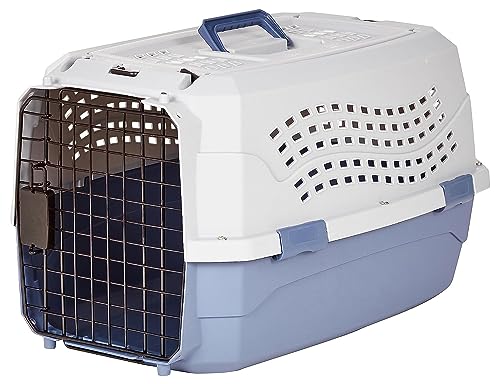
One of the easiest ways to train your cat to accept a carrier is by creating positive associations with it. Place the carrier in a quiet area of your home where your cat can explore it without pressure. Leave the door open and allow your cat to investigate. You can enhance this experience by placing familiar items inside the carrier, such as a favorite blanket or toy. Over time, your cat will begin to view the carrier as a safe space.
- Use treats to encourage your cat to enter the carrier.
- Spend time near the carrier playing with your cat.
- Gradually close the door for short periods while your cat is inside.
Gradual Training Steps
Training your cat should not be a rushed process. In 2026, many experts recommend a gradual approach to help reduce anxiety. Start by allowing your cat to enter the carrier freely. Once your cat is comfortable with entering and exiting, begin to close the door for brief moments. Always reward your cat with treats and praise after each successful step. This positive reinforcement will encourage your cat to view the carrier as a safe haven rather than a trap.
People Also Look For:
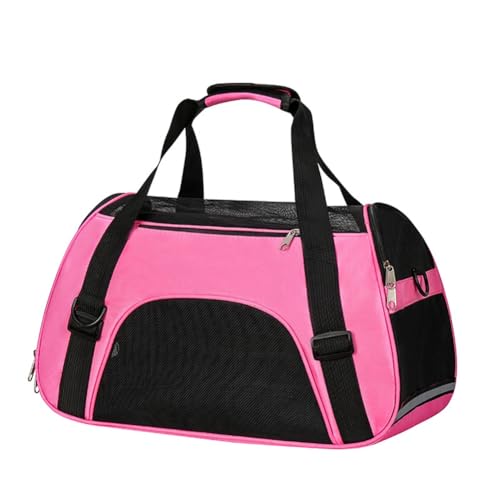
- Qbkohphifm Cat Carrier Soft-Sided Pet Travel Carrier for Cats Dogs Puppy Comfort Portable Folding PetCarrier, A
- Vejaoo Dog Bed Mattress Multipurpose Machine Washable Puppy Mat Cushions for Small/Medium/Large Dogs and Cat Cages XZ006 (69 * 52 ...
- pecute Cat Carrier with Waterproof Pee Pad, Top Expandable Cat Carrier Handbag, Extra Stable Dog Carrier, Breathable Mesh Fabric B...
- Dog Car Seat Portable Large Dog Bed Pop Up Dog Kennel Indoor Outdoor Crate Portable Oxford Cloth Cat Cage Pet Enclosure For Travel...
- PYKESALY Cat Carrier Dog Carrier Pet Carrier, Airline Approved Soft-Sided Foldable,Puppy Carrier with Breathable Mesh for Small Me...
Short Trips for Familiarization
Once your cat is comfortable entering the carrier and being inside with the door closed, it is time to introduce short trips. Start by moving the carrier around your home, allowing your cat to experience the motion without fear. After a few days, take your cat for a short drive. Make sure to keep the trip brief, so your cat does not become overwhelmed. Gradually increase the duration of these trips, helping your cat adjust to the carrier's movement and sounds associated with travel.
Utilizing Comfort and Familiarity
In 2026, ensuring your cat feels comfortable in the carrier is crucial. Consider using calming products specifically designed for cats. Feline pheromone sprays can create a soothing environment that helps reduce anxiety. Placing familiar items in the carrier can also provide a sense of security for your cat. Cats thrive on routine, so maintaining a consistent training schedule can help them adapt more effectively.
What to Avoid During Training
While training your cat, there are several common mistakes that can hinder progress. Avoid forcing your cat into the carrier, as this can create fear and resistance. Never use the carrier as a punishment, as this will lead to negative associations. Instead, focus on patience and positive reinforcement. If your cat shows signs of distress, take a step back and reassess your approach, ensuring it aligns with your cat's comfort level.
Real World Scenarios for Success
Consider a scenario where you plan a visit to the vet. By implementing the training methods outlined here, your cat will be more prepared for the experience. For instance, if your cat is accustomed to the carrier, they are less likely to resist entering it when the time comes for a vet visit. Owners have reported that their cats, once trained, would eagerly enter their carriers, making trips less stressful for everyone involved.
Building Trust Through Routine
Establishing a routine around carrier use helps reinforce trust between you and your cat. In 2026, many animal behaviorists emphasize the importance of making the carrier a part of your daily life. For example, you can encourage your cat to spend time in the carrier while you are present, providing treats or engaging in play. This regular exposure helps your cat realize that the carrier is not associated with negative experiences but rather a part of their everyday routine.
Conclusion and Next Steps
As you move forward with your training, remember that patience and consistency are key. Each cat is unique, and the time it takes for them to accept the carrier will vary. By understanding their behavior, creating positive associations, and gradually introducing them to the carrier, you are setting your cat up for success. In 2026, with the right approach, you can transform carrier use from a source of stress into a comfortable experience for your beloved feline.